Concussion recovery is not a passive waiting game. The brain will do much of the healing on its own, but the way you structure the first days and the following weeks can shorten the course, reduce the odds of persistent symptoms, and improve overall resilience. I refer to the approach below as the Rest and Restore Protocol. It blends medical guidelines with practical coaching, autonomic regulation, and trauma-informed care. I have used variations of this protocol with athletes, teachers, contractors, and parents juggling childcare. The physiology of concussion is universal, but the plan must fit the person.
What is different about a concussion
A concussion is a metabolic and network injury, not a structural one you can see on a routine scan. Impact or rapid acceleration changes how brain cells handle ions, blood flow, and energy. The result can feel like a power brownout. Headache, light sensitivity, fogginess, and dizziness trace back to systems that went temporarily out of tune. For most people, symptoms improve substantially over 1 to 3 weeks. A subset develop persistent post-concussive symptoms that last beyond a month. The variation is real and calls for a responsive, staged approach rather than rigid rules.
Two forces shape the early trajectory. Too much rest can slow reconditioning and heighten anxiety. Too much stimulation, too soon, can inflame symptoms and sideline you longer. The Rest and Restore approach navigates that narrow path with stepwise activity, targeted nervous system supports, and timely therapy when specific systems lag.
The first 48 hours, done well
The early window is not about total blackout. It is about relative rest with intelligent constraints. That means protecting the injured brain from surges of cognitive or physical demand while preserving the signals it needs to recalibrate.
Here is a short checklist I give patients for the first two days:
- Prioritize sleep and quiet, limit bright screens, and avoid prolonged reading or intense conversation. Gentle mobility only, such as short walks indoors, with a strict cap on symptom flares. Hydrate, eat regular meals with protein and complex carbs, and avoid alcohol. Use simple pain strategies like cold packs; delay aspirin or NSAIDs for the first 24 hours unless a clinician says otherwise. Observe for red flags like worsening severe headache, repeated vomiting, weakness, confusion, or unequal pupils, and seek urgent care if they appear.
In these first 48 hours, people often ask if they should nap as much as they feel like. I tell them to honor fatigue but keep a basic day-night rhythm. Sleeping at odd hours for long blocks can unravel circadian anchors and produce more fog. Two short daytime rests, 20 to 30 minutes each, usually help without blunting night sleep.
Screens deserve a clear rule. Light and motion on a phone can drive symptoms early. I suggest a screen budget of 30 to 60 minutes total per day with brightness turned down and text enlarged. Use audio, not video, for check-ins. After the second day, we increase as tolerated.
From day 3 onward, shift from rest to restore
After 48 hours, almost everyone benefits from careful reactivation. The central nervous system needs graded, sub-symptom stress to guide recovery. We begin with light aerobic work that raises heart rate without bouncing the head or jarring the neck.
A simple target is walking at a pace that brings you to a heart rate around 60 to 70 percent of your predicted max, stopping well before symptoms climb. If you own a wearable, it helps. If not, use perceived exertion. The conversation test works: you should be able to speak in full sentences without strain. Start with 10 to 15 minutes, once daily. If your symptoms stay the same or ease by one hour after finishing, you can repeat the next day and expand by 5 minutes. If symptoms spike and linger, back down.
This is where people get tripped up. They feel good and chase that feeling with a long walk, house cleaning, and two Zooms. The next morning, the headache flares, and they fear they have undone the recovery. You probably did not cause damage, but you did overdraw a small energy account. The antidote is to apply pacing and task batching. Short bouts spread through the day beat one long push. A 15 percent rule helps: grow your daily activity in small, consistent increments, not leaps.
Cervical spine, vestibular, ocular - the hidden trio
A concussion often comes with mechanical strain through the neck and shifts in the vestibulo-ocular reflex. Headache behind one eye, dizziness in busy stores, or difficulty focusing when reading can reflect these coupled systems. Manual therapy to the upper cervical muscles, gentle isometrics, and motor control drills can unlock headaches that do not respond to medication. An experienced physical therapist can run a screen that includes smooth pursuit, saccades, vestibular ocular reflex, dynamic visual acuity, and balance with eyes closed on foam. Abnormalities guide targeted home programs.
I have seen high school players who pass a rest-based plan but stall until we add gaze stabilization and neck strengthening. Two weeks of daily VOR x1 drills, 30 to 60 seconds at a time, interleaved with chin tucks and scapular work, can transform constant motion sickness into workable fatigue.
Autonomic recalibration and why it matters
Concussion can tilt the autonomic nervous system toward sympathetic bias. Patients describe a jumpy heart, shallow breathing, or a sense of being “on alert” for no clear reason. This is not just distress. It can perpetuate headaches, worsen sleep, and cap exercise tolerance. Restoring parasympathetic tone is part of the medical plan, not an optional wellness add-on.
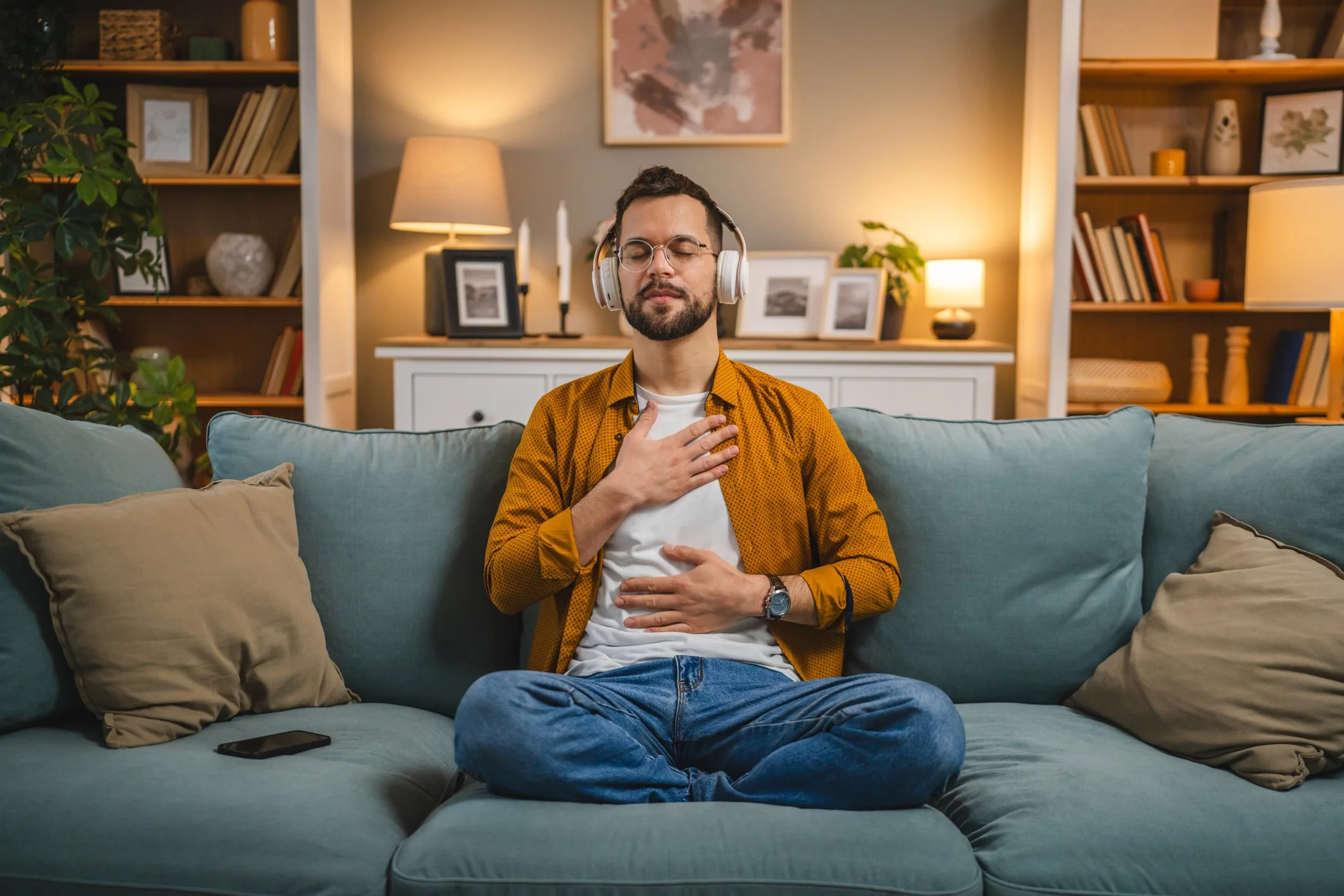
This is where somatic tools enter. Somatic experiencing offers concrete practices that track interoception and discharge defensive activation without overwhelm. Think of it as building a dial for your own arousal system. Two minutes of slow nasal breathing with a long, easy exhale, followed by orienting the eyes to corners of the room, can nudge vagal tone. Adding a gentle peripheral vision exercise - soften your gaze and notice motion at the edges - can steady visual vertigo.
The Safe and Sound Protocol, a series of filtered music sessions designed to stimulate the vagus nerve via the auditory pathway, can also help select patients. I use it with those who show marked sound sensitivity, intolerance to crowds, and autonomic lability. We run it in short segments, often 10 to 20 minutes, and watch for shifts in calm, presence, and tolerance to daily sound. It does not replace physical therapy or aerobic reconditioning, but it complements both by improving state regulation.
These elements sit within integrative mental health therapy, where physical, cognitive, and emotional threads are addressed together. Integrative care asks simple questions at the right time: Is this headache mechanical, autonomic, or metabolic. Is this fog a product of sleep fragmentation, under-recovery, or anxiety due to uncertainty. The answers guide whether we add vestibular drills, extend walk duration, or spend a week stabilizing sleep and nervous system tone.
A staged return that respects biology
You do not need a complicated matrix to move forward. I teach a four phase progression. The heart of it is to earn the next phase by showing stability in the current one. Stability means that symptoms are mild to moderate, do not spike during activity, and return to baseline within an hour.
- Phase 1 - Quiet foundation: short walks, basic ADLs, gentle breathwork, light meal prep. Phase 2 - Sub-symptom aerobic ramp: walking or stationary cycling 15 to 30 minutes, light chores in time blocks, brief screen work with breaks. Phase 3 - Skill and load: add light resistance, cognitive work blocks of 30 to 45 minutes with 5 minute breaks, vestibular or ocular drills if indicated. Phase 4 - Return to full demand: sport-specific or job-specific drills, complex multitasking, travel, and social time.
Athletes often ask about specific heart rate targets. In clinic we use the principles behind the Buffalo Concussion Treadmill Test to set a ceiling. Practically, we aim for daily exercise at 80 to 90 percent of the heart rate that provokes symptoms, not 80 to 90 percent of maximum heart rate. If symptoms begin at 120 bpm, we train at 95 to 105 bpm and re-test weekly. Most people can nudge that threshold up by 5 to 10 bpm per week when integrative mental health therapy near me other recovery pieces are in place.
Work and school without derailing recovery
Time away from obligations helps at first, but prolonged absence can fuel isolation and worry. A well designed partial return beats both extremes. I have negotiated the following plan many times and it works more often than not.
For knowledge work, start with a half day that alternates 30 minutes on, 10 minutes off. Use blue light filters, increase font size, and park meetings in the second half of the block when warmed up. Keep nonessential notifications off. Build in one outdoor walk during the day. Communicate a date to reassess. When symptoms remain stable for 3 to 5 days, grow to a longer half day or three quarter day. Full days come last, and often do best with a no-meetings morning or afternoon for another week.
For school, agree on reduced workload for 1 to 2 weeks, flexible deadlines, and alternate assessment formats when reading dense text remains provocative. Teachers often want to help, but need guidance. The key is time limits, not complete exemption. Fifteen minutes per assignment with a hard pause protects the student from pushing through headache spirals.
For physical jobs, early collaboration with supervisors prevents setbacks. A return that starts with observation or light tasks for 3 to 5 days, then adds more load, will usually go smoother than jumping straight back to ladders, long driving, or heavy lifting. The neck and vestibular system need graded exposure to motion and head turns in these roles.
Nutrition, hydration, and sleep that support the plan
There is no magic supplement that fixes concussion. The basics matter most. Hydration often drops when people rest at home, then headaches worsen. Aim for clear urine and use a water bottle you can track. Caffeine is fine in moderation, but erratic intake can unmask migraines.
Meals should be regular, roughly every 4 to 5 hours. Include a palm sized serving of protein and a slow carbohydrate like oats, brown rice, beans, or sweet potato. The brain runs on glucose, and steady supply is gentler than spikes and crashes. Fatty fish twice a week supports omega 3 intake. If appetite flags, try smoothies with Greek yogurt, berries, and a spoon of nut butter.
Sleep is the tide that lifts the other boats. Target a consistent bedtime, dim light in the hour before, and a cool, dark room. If you wake at 3 am with a buzzing mind, get out of bed and do a quiet reset - dim light, slow breathing, legs up the wall for two minutes - then return when drowsy. Avoid alcohol. If you need short term medication, work with a clinician who understands that some agents, like heavy sedatives, can worsen daytime fog.
Trauma therapy when the injury meets old stress
A fall on the ice can collide with the nervous system’s history. Previous trauma, even if it was years ago and not head related, can magnify post-concussive symptoms. I have seen a modest concussion unlock old threat patterns: hypervigilance, startle, or shutdown. This is not imagined. The injury disrupts regulation and makes it harder to contain prior stress chronicles that were held at bay.
Trauma therapy belongs in the plan when this pattern appears. A trauma-informed clinician can help you track body signals, set anchors of safety, and process the event if needed. Somatic experiencing is one doorway. It keeps the work in the range where the body can integrate, not re-live. Brief titrated sessions of orientation, pendulation between comfort and discomfort, and completion of thwarted defensive actions can lower the baseline arousal that keeps headaches and dizziness smoldering.
Integrative mental health therapy knits this with lifestyle and medical care. A short course, even 4 to 6 sessions, can shift the trajectory. We do not wait months to add it if the signs are clear. Sometimes the simple act of naming the overlap - injury meets old stress - softens the grip.
Medication, imaging, and when to escalate care
Most concussions do not need imaging. Worsening severe headache, repeated vomiting, new neurologic deficits, confusion that deepens, seizures, or anticoagulant use with head trauma are reasons to obtain urgent evaluation and likely a scan. When in doubt, err on the side of safety.
For pain, acetaminophen is the early choice. After the first 24 hours and with clinician input, an NSAID can be reasonable if there is no bleeding risk. Daily opioids have no role. Triptans may help those with clear migraine features. If sleep is broken and drives next day symptoms, targeted support matters more than masking fog with stimulants. In persistent cases with autonomic intolerance to exertion, a specialist may consider medications that modulate heart rate, but the backbone remains exercise prescription and autonomic training.
Persistent post-concussive symptoms beyond 4 to 6 weeks warrant a careful re-evaluation. I look for missed vestibular or ocular deficits, neck driven headache, sleep apnea unmasked by weight gain or swollen turbinates, mood or anxiety that needs direct care, and medication side effects. Complex cases do best with a team: primary care, physical therapy with vestibular expertise, and mental health. Add vision therapy or neurology as indicated.
A practical day in the middle of recovery
Here is what a solid day three to four weeks after injury might look like for an office worker who is 70 percent better but plateaus with afternoon headaches.
- Wake at 7, dim lights until the blinds open. Two minutes of nasal breathing, count to 4 in and 6 out. Breakfast by 8 with protein and slow carbs. Hydrate. Light walk outdoors at 9 for 20 minutes, heart rate near 100 to 110 bpm, sunglasses only if needed. Work block from 10 to 12 with 5 minute eyes-closed microbreaks each half hour. Blue light filter on. Lunch with a screenless 15 minute rest. One SSP listening segment if prescribed, watched for tolerance. Second walk or stationary cycle at 2 for 25 minutes, keep under symptom threshold. Physical therapy home program at 3: gaze stabilization two sets of 45 seconds, neck isometrics, band rows. Work block from 4 to 5 with one short meeting. Cap the day even if you feel a last burst of energy. Dinner by 6:30. Gentle social time. Lights down by 9, short somatic sequence, bed by 10.
That day respects capacity, grows fitness, and nudges the vestibular system without flooding. It also practices the hardest skill in concussion recovery - stopping on a good note.
A short story that illustrates the arc
A 38 year old elementary school teacher slipped on wet steps and struck the back of her head. Initial emergency visit was reassuring. Two days of dark room rest made her feel worse. When we met on day 5, she had a constant bandlike headache, nausea in grocery aisles, and a flush of panic in noisy hallways. She feared returning to her classroom.
We built a Rest and Restore plan that started with 10 minute walks twice daily. We added a vestibular screen that found impaired dynamic visual acuity. She began VOR drills at home, 30 seconds at a time, with a 30 second break. We capped screen time at 45 minutes twice daily. She practiced a basic somatic sequence: orient the eyes slowly around the room, find two places that feel safer in the body, and breathe with a long exhale. Sleep had drifted late, so we pulled it earlier by 15 minutes each night. At day 10 she started a partial return to school - mornings only, no recess duty, and reduced grading. She listened to one Safe and Sound Protocol track every other day, tolerated well, and reported that lunchtime noise felt less piercing.
By week three, headache frequency halved. She reached 25 minute walks at a steady heart rate. Vestibular measures improved. We moved to three quarter days at school. At week five she had one bad day after an evening event, but recovered with a lighter schedule the next day. At week six she returned full time without accommodations and kept a twice weekly exercise routine. Her lingering symptom was mild eye fatigue when reading late at night, resolved with better lighting and breaks.
Her course was not linear. The key was making activity adjustments in days, not weeks, and treating her nervous system as a participant to coach rather than a problem to force.
Trade-offs, and how to choose wisely
People crave certainty after a concussion. Unfortunately, there is no single best plan. What we do have are principles that hold across cases.
- Rest must be time limited and active recovery begins as soon as symptoms permit. Too much cocooning leads to deconditioning and fear of activity. Exercise is medicine, but the dose matters. Sub-threshold work fosters adaptation, while overreach backfires. Symptoms are signals, not verdicts. Mild increases that settle within an hour often mean you trained at the right edge. Big spikes that linger are a cue to dial back. The neck, eyes, and balance system often need direct attention. If you skip them, recovery stalls despite good rest and walking. State regulation drives capacity. Integrating somatic experiencing, Safe and Sound Protocol where appropriate, and broader trauma therapy can unlock stubborn cases.
Choosing wisely often means resisting two temptations: pushing hard on a good day or abandoning the plan on a bad day. Small, steady steps beat surges.
Building resilience beyond recovery
Once symptoms have cleared, most people want to forget the whole episode. I understand the impulse. Still, the weeks after recovery are a chance to harden the gains. Keep a cardio routine three times per week for a month. Maintain one somatic or breath practice daily for 5 minutes. Continue a light cervical and scapular program twice a week. If work or sport involves rapid head turns, do a short vestibular tune-up once weekly. These touches are less about preventing some imagined fragility and more about reinforcing a robust baseline.
Finally, hold on to the lessons of pacing. Many patients discover that the skill of energy budgeting helps long after the injury fades. It keeps workloads humane, protects sleep, and steadies moods. That is worth keeping.
The Rest and Restore Protocol is not a brand or a box. It is a way to meet the brain where it is, invite it forward, and fold the whole person into the plan. With thoughtful rest, graded activity, targeted rehabilitation, and integrative mental health therapy when needed, most people do well. And when they do not, the same framework helps identify the stuck place and the next right step.
Amy Hagerstrom Therapy PLLC
Name: Amy Hagerstrom Therapy PLLCClinician: Amy Hagerstrom, LCSW, SEP, CIMHP
Address: 550 SE 6th Ave, Suite 200-M, Delray Beach, FL 33483
Phone: +1 954-228-0228
Website: https://www.amyhagerstrom.com/
Hours:
Sunday: 9:00 AM – 8:00 PM
Monday: 9:00 AM – 8:00 PM
Tuesday: 9:00 AM – 8:00 PM
Wednesday: 9:00 AM – 8:00 PM
Thursday: 9:00 AM – 8:00 PM
Friday: 9:00 AM – 8:00 PM
Saturday: 9:00 AM – 8:00 PM
Open-location code / plus code: FW3M+34 Delray Beach, Florida, USA
Coordinates: 26.4527362, -80.0671945
Map/listing URL: https://maps.app.goo.gl/Y5dLtFUXyJKhn6gG8
Embed iframe:
Socials:
Facebook: https://www.facebook.com/p/Amy-Hagerstrom-Therapy-PLLC-61579615264578/
Instagram: https://www.instagram.com/amy.experiencing/
LinkedIn: https://www.linkedin.com/company/111299965
TikTok: https://www.tiktok.com/@amyhagerstromtherapypllc
X: https://x.com/amy_hagerstrom
YouTube: https://www.youtube.com/@AmyHagerstromTherapyPLLC
The practice is based in Delray Beach, Florida, with an office and mailing address at 550 SE 6th Ave, Suite 200-M.
Amy Hagerstrom is listed as a Licensed Clinical Social Worker in Florida and Illinois, with training in Somatic Experiencing and integrative mental health work.
Services listed by the practice include somatic therapy, Somatic Experiencing, integrative mental health therapy, Safe and Sound Protocol, Rest and Restore Protocol, trauma therapy, anxiety therapy, and midlife-related therapy support.
The official site emphasizes online therapy for adults across Florida and Illinois, including Delray Beach, Boca Raton, Fort Lauderdale, West Palm Beach, and Chicago.
The practice may be a fit for adults who want therapy that includes the body, nervous system, emotions, and personal history in a steady, respectful way.
The official contact page notes that availability may be limited, so prospective clients should confirm current openings, waitlist options, or referral resources before scheduling.
To contact the practice, call +1 954-228-0228 or visit https://www.amyhagerstrom.com/.
The public map listing for Amy Hagerstrom Therapy PLLC can help clients verify the Delray Beach listing before reaching out.
Popular Questions About Amy Hagerstrom Therapy PLLC
What is Amy Hagerstrom Therapy PLLC?
Amy Hagerstrom Therapy PLLC is a psychotherapy practice based in Delray Beach, Florida, offering mind-body and somatic therapy support for adults in Florida and Illinois.
Where is Amy Hagerstrom Therapy PLLC located?
The listed office and mailing address is 550 SE 6th Ave, Suite 200-M, Delray Beach, FL 33483.
Does Amy Hagerstrom Therapy PLLC offer online therapy?
Yes. The official site emphasizes online therapy for adults in Florida and Illinois, including Delray Beach, Boca Raton, Fort Lauderdale, West Palm Beach, and Chicago. Clients should confirm current appointment format directly with the practice.
Who does Amy Hagerstrom work with?
The official site describes therapy for adults seeking support with trauma, anxiety, chronic stress, burnout, nervous system overwhelm, emotional reactivity, and midlife-related concerns.
What approaches are listed by Amy Hagerstrom Therapy PLLC?
Listed approaches include Somatic Experiencing, integrative mental health therapy, Safe and Sound Protocol, Rest and Restore Protocol, and nervous-system-informed psychotherapy.
Is Amy Hagerstrom licensed?
The official site lists Amy Hagerstrom as a Licensed Clinical Social Worker in Florida and Illinois, with Florida license SW 23332 and Illinois license 149026921.
What are the listed public hours?
The matching public listing shows hours from 9:00 AM to 8:00 PM every day. Appointment availability may differ, so clients should confirm directly before scheduling.
Is Amy Hagerstrom Therapy PLLC accepting new clients?
The official contact page reviewed for this dataset states that the practice is currently full and that new consults will be offered again as openings become available. Prospective clients should check the website for the most current availability.
Does Amy Hagerstrom Therapy PLLC accept insurance?
The official site says individual 55-minute sessions are self-pay and that the practice does not accept insurance directly, but may provide a superbill for possible out-of-network reimbursement. Clients should confirm current fees and insurance details directly.
How can I contact Amy Hagerstrom Therapy PLLC?
Call +1 954-228-0228, visit https://www.amyhagerstrom.com/, or use the listed social profiles: https://www.facebook.com/p/Amy-Hagerstrom-Therapy-PLLC-61579615264578/, https://www.instagram.com/amy.experiencing/, https://www.linkedin.com/company/111299965, https://www.tiktok.com/@amyhagerstromtherapypllc, https://x.com/amy_hagerstrom, and https://www.youtube.com/@AmyHagerstromTherapyPLLC.
Landmarks Near Delray Beach, FL
Amy Hagerstrom Therapy PLLC is listed in Delray Beach, with online therapy services emphasized for adults in Florida and Illinois. Clients near these Delray Beach landmarks can call +1 954-228-0228 or visit https://www.amyhagerstrom.com/ to confirm current availability and fit.
- 550 SE 6th Avenue — The listed office and mailing address area for the practice; clients can use the map listing to verify the Delray Beach location.
- Downtown Delray Beach — A central local reference point near shops, offices, and community spaces; nearby clients can ask about online therapy options.
- Atlantic Avenue — One of Delray Beach’s best-known corridors and a practical landmark for orienting around the local service area.
- Federal Highway / US-1 — A major north-south route near the SE 6th Avenue area; clients can use the website to confirm current appointment format.
- Pineapple Grove Arts District — A recognizable Delray Beach arts and dining district close to downtown.
- Old School Square — A notable cultural landmark in downtown Delray Beach and a useful local orientation point.
- Delray Beach Public Library — A central civic landmark for residents navigating the downtown area.
- Veterans Park — A waterfront park near the Intracoastal area; clients nearby can contact the practice for therapy availability details.
- Intracoastal Waterway — A major local landmark that helps orient the east Delray Beach area.
- Delray Municipal Beach — A well-known coastal landmark for residents and visitors in the Delray Beach area.
- Delray Beach Tennis Center — A notable recreation landmark near downtown Delray Beach.
- Morikami Museum and Japanese Gardens — A major Palm Beach County destination west of central Delray Beach; Florida-based clients can ask about online therapy access.